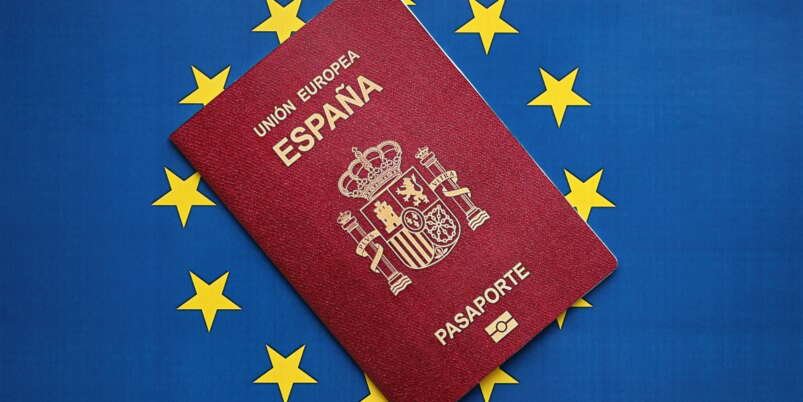
How to Convert Your Spanish Student Visa into a Work Permit in 2025
Introduction: From Student to Professional in Spain
Spain has become one of the most attractive destinations in Europe for international students. With world-renowned universities, affordable tuition compared to other EU countries, and a vibrant lifestyle, thousands of students from the UK, US, Latin America, and beyond choose Spain every year for higher education.
But what happens once your studies are finished? Many students want to stay and work in Spain — whether it’s joining a Spanish company, starting a business, or freelancing as an autónomo. Fortunately, Spanish immigration law allows you to convert a student visa into a work permit without leaving the country, provided you meet the requirements.
In this 2025 guide, we’ll explain the full process, timeline, documentation, and best practices for converting your estancia por estudios (student residence) into an authorised residencia y trabajo (work permit).
Legal Framework (2025 Update)
The option to modify a student visa into a work permit is set out in Spain’s Ley de Extranjería and updated by immigration regulations in 2018 and 2022.
Key points for 2025:
- You no longer need to leave Spain to apply — conversion is done directly at the Extranjería office.
- You must have studied in Spain for at least two consecutive years (some postgraduate exceptions apply).
- The type of work permit depends on whether you’re being hired by a company, starting your own business, or applying under the Highly Qualified Professional Visa.
- Your employer must comply with Spanish labour law and minimum salary requirements.
Eligibility: Who Can Apply to Modify Their Student Visa to a Work Permit?
Not all student visa holders in Spain are eligible to modify their status. To qualify in 2025, you must:
- Hold a valid student visa/residence permit at the time of application.
- Have studied for at least 3 consecutive years in Spain (exceptions apply for highly qualified roles).
- Be enrolled in an official higher education programme (Bachelor’s, Master’s, PhD, or other accredited study).
- Have a firm job offer from a Spanish employer (for an employed work permit), or a viable self-employment plan.
- Be free of any criminal record and remain legally resident during your stay.
👉 Important: Students with language course permits cannot modify to a work permit anymore. They must leave Spain and apply from their home country instead.
👉 Internal Links: Learn about the TIE card application process and why private health insurance must remain valid throughout. Link “job offer from a Spanish employer” → Highly Qualified Professional Visa page.
Types of Work Permits You Can Convert To
Depending on your situation, you can choose one of several work permit categories:
1.
Work Permit as an Employee (Cuenta Ajena)
- Requires a valid employment contract.
- Employer must be registered with Social Security and in good standing.
- Salary must meet at least the Spanish minimum wage (SMI), but typically must reflect industry standards.
2.
Self-Employed Work Permit (Cuenta Propia / Autónomo)
- For freelancers, consultants, or entrepreneurs.
- Requires a viable business plan and registration with Hacienda (Tax Office) and Seguridad Social (Social Security).
- See our Self-Employed Visa guide for full requirements.
3.
Highly Qualified Professional (HQP) Permit
- For graduates offered high-level roles with salaries above €40,000–€60,000/year.
- Processed via the Large Companies Unit (UGE).
- Faster processing but stricter requirements.
- Cross-link: Highly Qualified Professional Visa Spain.
4.
Digital Nomad Visa (Alternative Option)
- If your career path is more international than Spanish, you may qualify for the Digital Nomad Visa, allowing remote work from Spain for overseas clients.
- Cross-link: Digital Nomad Visa guide.
Step-by-Step Process (Timeline)
- Confirm Eligibility
- Check your years of study and TIE validity.
- Review if you’re applying for employed, self-employed, or HQP status.
- Gather Documentation
- Academic certificates.
- Updated padrón (empadronamiento).
- Health insurance proof.
- Job offer / business plan.
- Submit Application at Extranjería
- Submit your application before your student TIE expires.
- Application is made locally at the immigration office in your province.
- Wait for Resolution
- Standard processing: 2–3 months.
- HQP applications: usually resolved in under 20 working days.
- Start Working & Register with Social Security
- Once approved, register for a Social Security number (if not already obtained).
- Your employer or you (as autónomo) must make the first Social Security payment.
- Receive New TIE Card
- Your status changes from estancia (student) to residencia y trabajo.
Required Documents (Detailed List)
- Application form (EX–03 or EX–07, depending on permit type).
- Valid passport (full copy).
- Current TIE card.
- Criminal background certificate.
- Proof of completed studies in Spain (degree, diploma).
- Job contract OR business plan.
- Employer’s registration documents (if applicable).
- Updated padrón certificate.
- Health insurance or proof of Social Security coverage.
- Proof of sufficient financial means.
Common Challenges & How to Overcome Them
- Tight Deadlines – Students often wait too long and risk applying after their TIE expires.
- Weak Business Plans – Freelance/entrepreneur applicants are frequently rejected for vague or unrealistic business models.
- Salary Below Standard – Applications may be denied if the job offer does not meet the industry standard or minimum wage.
- Lack of Apostille/Translation – Foreign documents not legalised properly are rejected. See: Apostille Services in Spain.
- Gap in Health Insurance – A break in coverage can invalidate your residency.
Case Studies (Examples)
UK Graduate in Madrid
A UK student completes a Master’s in Business at Universidad Autónoma de Madrid. After 2 years of study, she secures a job offer at a Spanish marketing firm with a salary of €28,000/year. She successfully converts to a work permit as an employee without leaving Spain.
US Student Freelancer in Barcelona
An American graduate in design studies wants to stay in Spain as a freelancer. With €15,000 in savings and a business plan focused on international clients, he transitions to a self-employed visa and registers as autónomo.
Latin American Postgraduate on HQP
A Colombian student finishes a Data Science Master’s at IE Business School. He secures a €50,000/year role in a fintech company. His case is processed under the HQP route, receiving approval in just 15 working days.
Family Considerations
A Nigerian student in Valencia finishes her studies and secures a teaching contract. Once approved, she later applies for Family Reunification so her spouse and child can join her. Cross-link: Family Reunification Visa Spain.
Timeline & Renewal Rules
- Initial conversion: valid for 1 year.
- Renewal: 2 years, then another 2 years.
- After 5 years of legal stay, you may apply for long-term residence.
👉 Internal Link: Learn about renewing your residency permits.
Tax, Social Security & Residency Implications
- Once working, you’ll be a Spanish tax resident if you spend more than 183 days per year in Spain.
- You must file an annual Declaración de la Renta.
- Employees are registered automatically into Social Security; autónomos must register and pay monthly contributions.
👉 Internal Link: See our Spanish Tax Guide for Expats.
Alternatives if Refused
- Digital Nomad Visa (if working with foreign clients).
- Highly Qualified Professional Visa (if salary and role meet conditions).
- Non-Lucrative Visa (if you can support yourself without working).
⚠️ Important 2025 Update: Language Course Students Cannot Modify to a Work Permit
Until recently, many students enrolled in language schools used their student visa as a stepping stone to transition into a Spanish work permit or self-employment. This is no longer allowed under the updated immigration rules in 2025.
If you are studying only on a language course stay permit, you cannot modify it into a work permit from within Spain. Instead:
- You must leave Spain and apply for a work visa from your home country.
- Only those enrolled in official higher education programmes (universities, official masters, etc.) retain the right to modify.
- Other pathways may still be possible, such as applying for the Digital Nomad Visa or an Intra-Corporate Transfer permit, provided your stay in Spain remains legal and continuous.
👉 Internal Link: Learn more about the Digital Nomad Visa and Highly Qualified Professional Visa as alternatives.
FAQs
1. Can I apply before finishing my studies?
No, you must have completed your studies or be close to completion.
2. Is there a minimum salary required?
Yes, it must at least meet the SMI, though most applications are safer with €1,200+/month.
3. Can my employer be a small business?
Yes, but they must be financially solvent and properly registered.
4. Do I need to prove language skills?
Spanish is not legally required, but practical knowledge helps in job offers and integration.
5. Can I bring my family immediately?
Not during conversion. Family reunification can be applied for once your work permit is granted.
Conclusion: Start Your Career in Spain
Converting your student visa into a work permit is one of the most accessible pathways to long-term residence in Spain. With the right preparation — and expert support — the transition can be smooth and successful.
👉 If you’re ready to take the next step, contact our immigration specialists at Platinum Legal Spain for tailored support on your application.