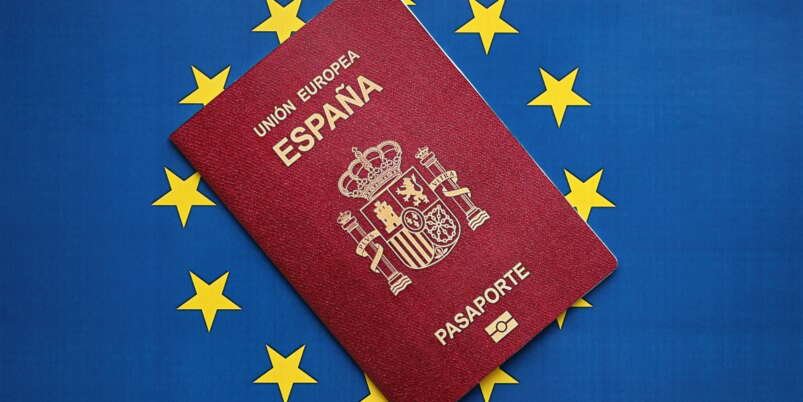
Your Complete 2025 Guide to Residency in Spain – From Application to Approval
Moving to Spain — whether for work, retirement, family, study, or a lifestyle change — means you’ll need to secure the right type of Spanish residency permit. The process, requirements, and timelines vary significantly depending on your nationality, the purpose of your stay, and how long you intend to remain in the country.
This complete guide will walk you through:
- The different residency pathways for EU/EEA/Swiss citizens and non-EU citizens
- Key documents you’ll need before applying
- A step-by-step application process
- Renewal timelines and tips for maintaining legal status
- Common mistakes that can lead to refusal or delays
By the end, you’ll have a clear checklist to follow — and links to our in-depth guides for each residency type.
1. Understanding Spanish Residency
Before diving into paperwork, it’s important to know the two main categories of residency in Spain:
1. EU/EEA/Swiss Citizens
If you’re from an EU member state, the EEA (European Economic Area), or Switzerland, you benefit from freedom of movement within the EU. This means you can live and work in Spain without a visa, but you must still register with the Spanish authorities if staying longer than 90 days.
2. Non-EU Citizens
If you’re from outside the EU/EEA/Switzerland (e.g., UK, USA, Canada, Australia), you will need to apply for the correct visa and residency permit before arriving in Spain — unless you already hold a residency status from another EU country with certain mobility rights.
📌 Related pages: Residency for EU Citizens, Residency for Non-EU Citizens
2. Types of Spanish Residency Permits
There are multiple pathways to residency in Spain. Some of the most common include:
- Non-Lucrative Visa (NLV) – For retirees or those with passive income who won’t work in Spain.
- Digital Nomad Visa (DNV) – For remote workers and freelancers meeting Spain’s income thresholds and working for non-Spanish clients.
- Work Visas – For employees with a job offer in Spain (includes Highly Qualified Professional visas).
- Self-Employed Visa / Autónomo Residency – For entrepreneurs or freelancers starting a business in Spain.
- Family Reunification – For spouses, partners, children, or dependent relatives of residents.
- Student Visa – For long-term study in Spain.
- EU Family Member Card – For non-EU relatives of EU citizens living in Spain.
Each route has different financial requirements, documents, and timelines — so choosing the right one is crucial.
📌 See also: NIE Guide, TIE Guide, Apostille Services
3. Step-by-Step Process – EU/EEA/Swiss Citizens
Step 1 – Enter Spain legally
Arrive using your passport or national ID card.
Step 2 – Apply for your NIE (Número de Identidad de Extranjero)
Even EU citizens need an NIE for any legal or financial transaction in Spain.
Step 3 – Register on the Padrón (Empadronamiento)
You must register at your local town hall (ayuntamiento) as a resident.
Step 4 – Apply for the EU Registration Certificate (Certificado de Registro de Ciudadano de la Unión)
You’ll need:
- Proof of employment, self-employment, study, or sufficient financial means
- Health insurance (either Spanish public or private coverage)
Step 5 – Keep your documents updated
Although there’s no renewal like non-EU permits, changes in address or status must be reported.
4. Step-by-Step Process – Non-EU Citizens
Step 1 – Apply from your home country
Non-EU citizens must start their application at a Spanish consulate in their country of legal residence.
Step 2 – Secure your visa approval
This process can take several weeks to several months depending on the visa type.
Step 3 – Travel to Spain
Once your visa is granted, you must enter Spain within the validity period stated on your visa.
Step 4 – Apply for your TIE (Tarjeta de Identidad de Extranjero)
You must apply for your TIE card within 30 days of arriving in Spain.
Step 5 – Maintain your residency
Non-EU permits are issued for a set period (often 1 year initially) and must be renewed before expiry.
- Renewals require proof of continued financial means, health insurance, and compliance with Spanish tax residency rules.
📌 Related page: Renewal of Non-Lucrative Visa
5. Documents Checklist (All Applicants)
✅ Valid passport (with at least 1 year validity)
✅ NIE number (or application receipt)
✅ Proof of financial means or employment contract
✅ Proof of health insurance (public or private, no gaps in coverage)
✅ Criminal record certificate (see Apostille Services)
✅ Recent passport-sized photos
✅ Proof of accommodation in Spain
6. Timelines & Renewals
- EU Citizens: Registration certificate does not expire, but address/status updates are mandatory.
- Non-EU Citizens:
- 1st permit – typically valid for 1 year
- 1st renewal – extends validity to 2 years
- 2nd renewal – another 2 years
- After 5 years – eligible for long-term residency
- After 10 years – may be eligible for Spanish citizenship
7. Common Reasons for Rejection
See our full blog: Most Common Reasons Spanish Visa Applications Get Rejected
8. Taxes & Residency
If you spend more than 183 days per calendar year in Spain, you become a Spanish tax resident and must file a Spanish income tax return.
📌 Related pages: Beckham Law Explained, Double Taxation Agreements
9. Platinum Legal Spain – How We Can Help
We handle the entire residency process from start to finish, including:
- Selecting the correct visa pathway
- Document legalisation & apostille services
- Booking appointments and preparing forms
- Accompanying you to appointments
- Renewal reminders and ongoing legal support
Start Your Spanish Residency Application Today